


Description
Product Overview
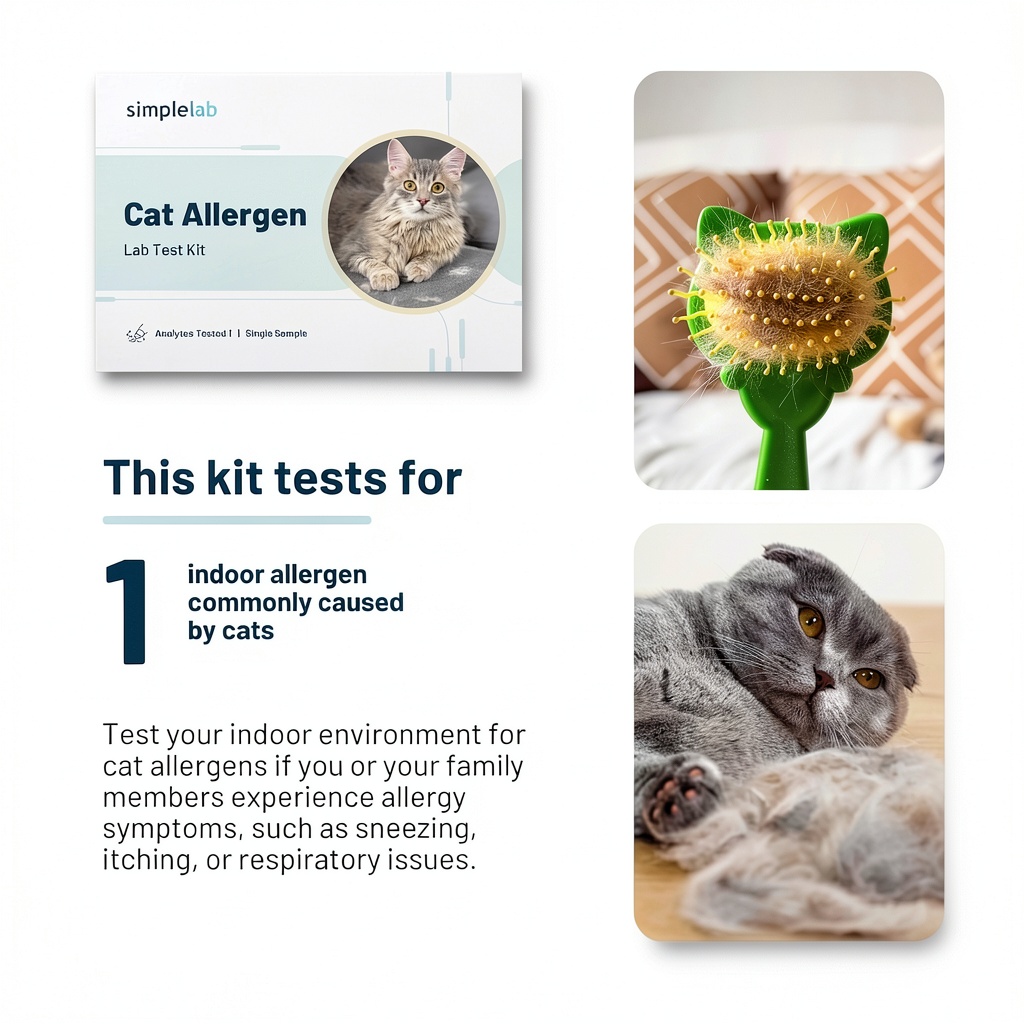
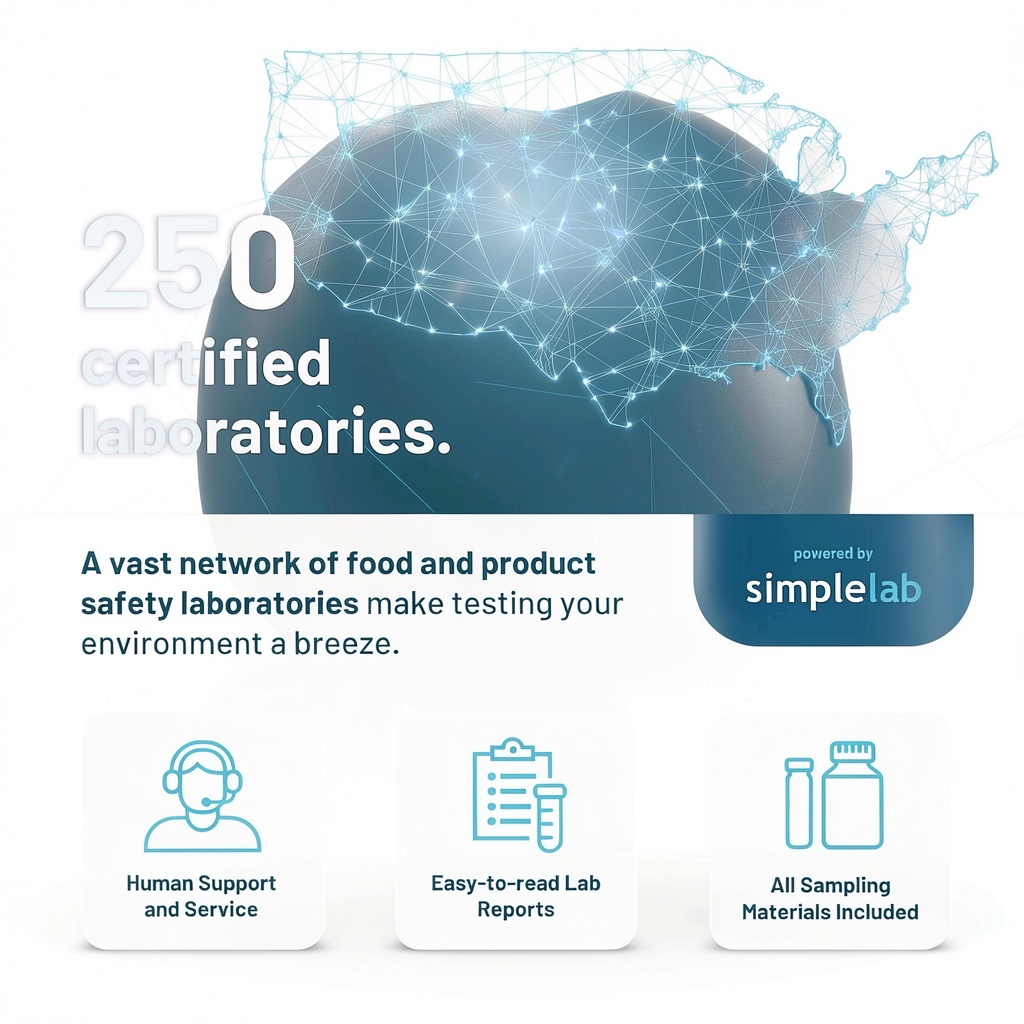
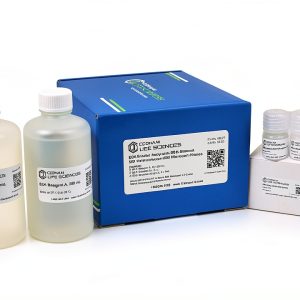
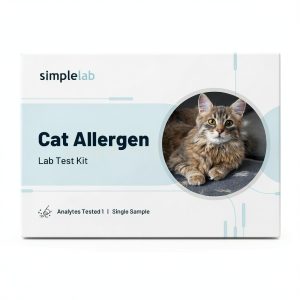
The SimpleLab Cat Allergen Test kit is engineered for homeowners who need a precise, laboratory‑grade assessment of cat‑related allergens present in indoor dust. The kit focuses on a single contaminant – cat allergen proteins commonly found in hair, dander, saliva and skin flakes – allowing the laboratory to deliver a clear concentration reading that can be directly compared to clinical thresholds. All components are packaged in a compact, resealable box that includes a sterile sampling swab, a pre‑filled collection vial, detailed step‑by‑step instructions, and a prepaid return envelope. The sampling process requires only a small amount of dust from any surface such as carpets, upholstery, bedding or air filters, making it suitable for a wide range of indoor environments. Once the sample is sealed and mailed, the laboratory applies immunoassay techniques to quantify the specific cat allergen, and the result is returned as a digital report that highlights the allergen level, interpretation guidance, and recommended next steps for allergy management. The assay has been validated against industry standards for sensitivity and specificity, ensuring that low‑level exposures are reliably detected while minimizing false positives. Results are presented in parts per million, accompanied by a concise explanation of what each concentration range means for individuals with varying degrees of sensitivity. The kit is compliant with relevant health and safety regulations, and all materials are non‑hazardous, biodegradable, and shipped in recyclable packaging to reduce environmental impact.
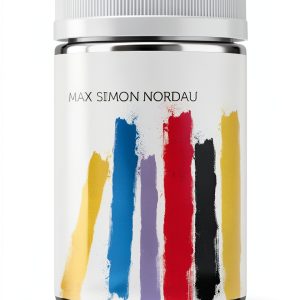
![[Product front view showing all components]](https://www.carlovers.store/wp-content/uploads/2026/07/5adf4a10ff30440a968e7f2ee8959e1c.jpg)
Usage
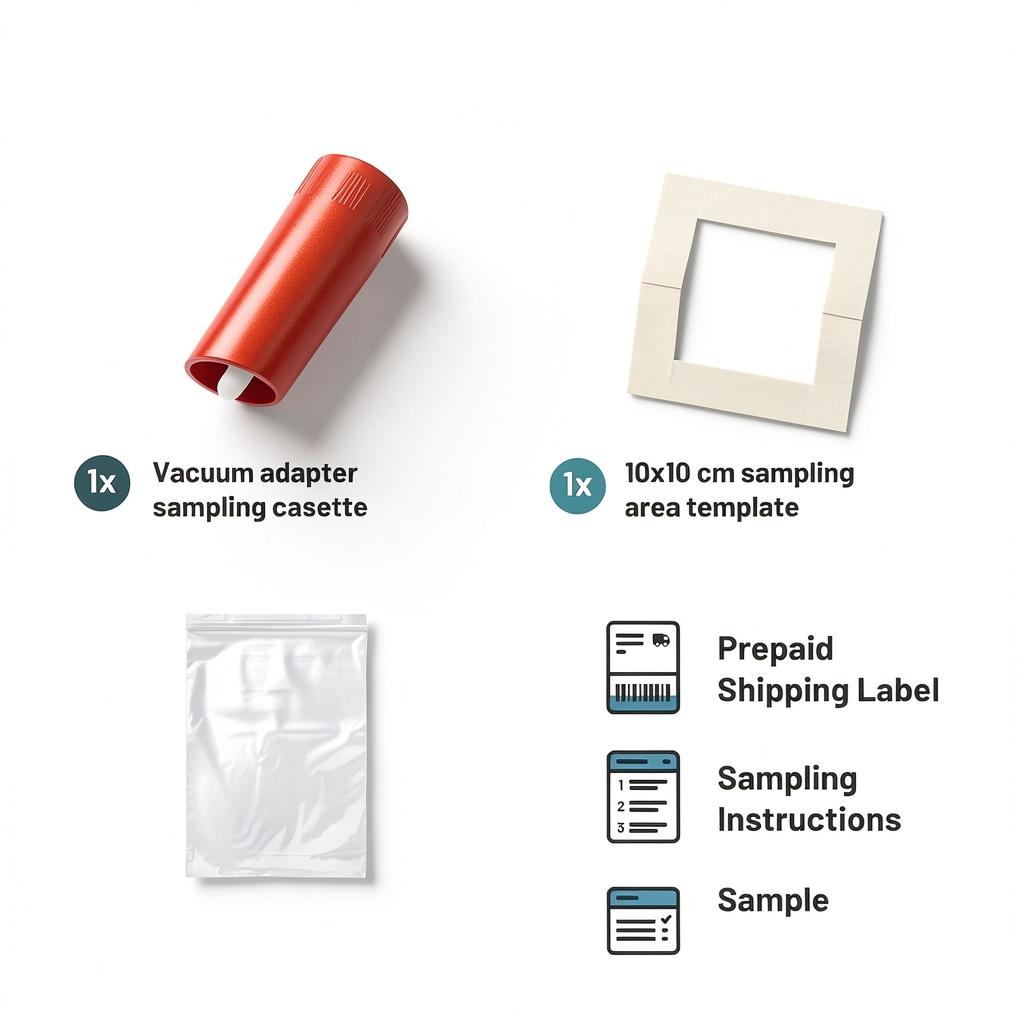
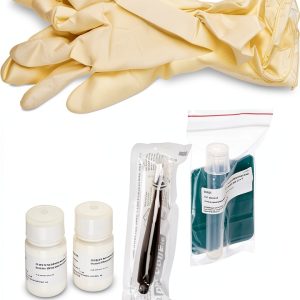
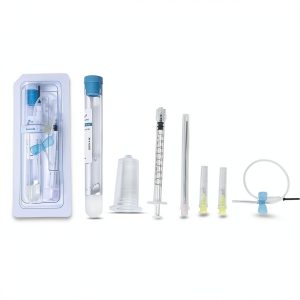
Inside the SimpleLab package, users will find a sterile nylon‑coated swab that is designed to capture microscopic particles without shedding fibers, a 2 ml polypropylene collection tube pre‑filled with a stabilizing buffer that preserves allergen proteins during transit, and a clear, illustrated instruction card that guides users through each step with visual cues. The prepaid return envelope is a lightweight, carbon‑neutral mailing solution that includes a QR code for tracking the shipment from the moment it leaves the home until it arrives at the certified laboratory. Upon receipt, laboratory technicians log the sample into a secure chain‑of‑custody system, then perform an enzyme‑linked immunosorbent assay (ELISA) that isolates cat allergen antigens using monoclonic antibodies specific to Fel d 1, the primary cat allergen responsible for most allergic reactions. The assay’s detection limit is set at 0.1 µg g‑1, providing sufficient sensitivity to inform both clinicians and consumers about exposure levels that may trigger symptoms.
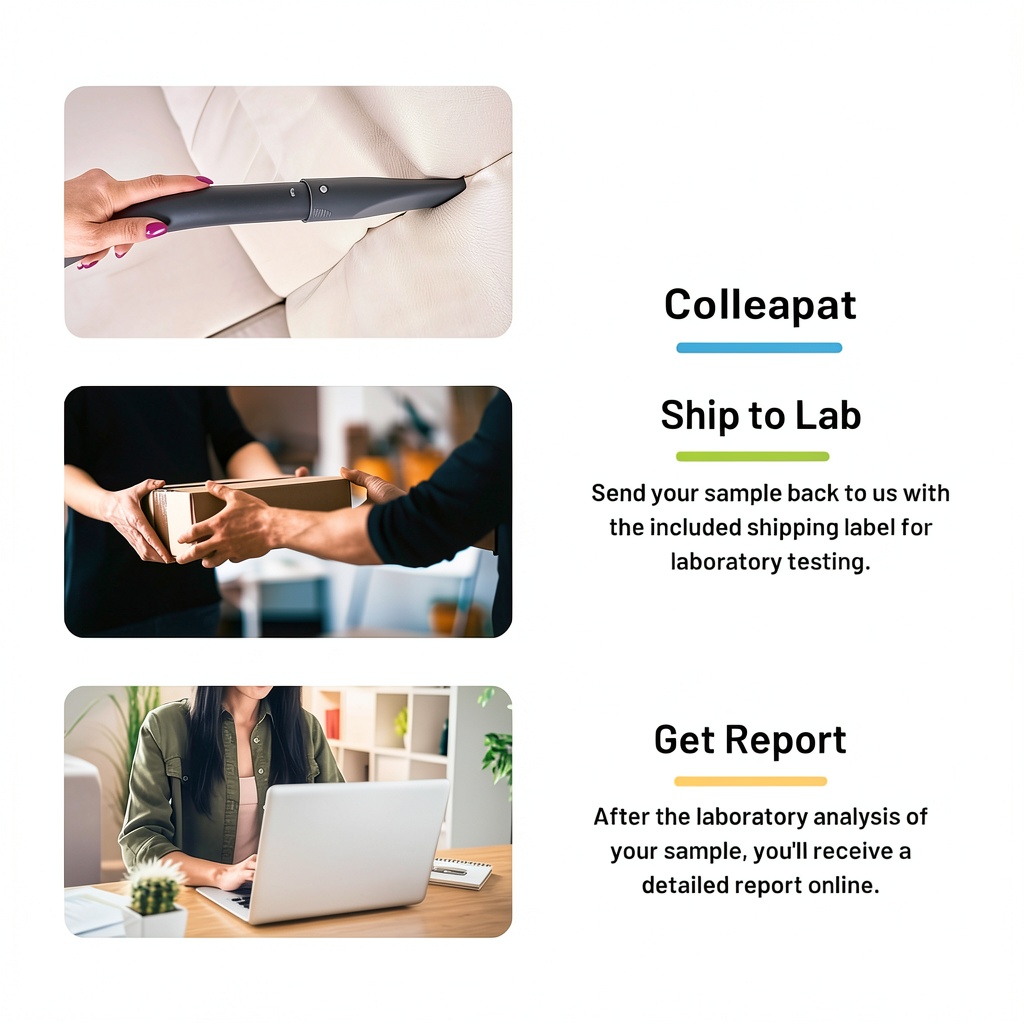
The test is ideal for families who suspect that a resident cat may be contributing to seasonal or year‑round allergy symptoms, as well as for individuals who have recently adopted a cat and wish to establish a baseline allergen level. Sampling can be performed in any room where the cat spends time, such as living rooms, bedrooms, or home offices, and the process takes less than five minutes from start to finish. Users simply open the swab package, gently rub the swab across the chosen surface for a few seconds, place the swab into the collection tube, seal the tube, and insert it into the return envelope. No specialized equipment or technical expertise is required, and the entire procedure is designed to be safe for children and pets alike. Because the kit targets only cat allergens, it is not affected by other common indoor pollutants such as mold spores, dust mite proteins, or pollen, allowing the result to focus exclusively on the presence of cat‑derived proteins. This specificity is valuable for households that have multiple pets or live in multi‑unit buildings where cross‑contamination can be a concern. The digital report is delivered via a secure, password‑protected portal within ten business days, and it includes a graphical representation of the allergen concentration, a brief interpretation of the health implications, and practical recommendations such as cleaning strategies, ventilation improvements, or consultation with an allergist. Users can also download the report as a PDF for personal records or to share with healthcare providers.
Why Choose Us
SimpleLab distinguishes itself through a combination of scientific rigor, user‑centric design, and transparent reporting. The laboratory that processes the samples is accredited by ISO 15189, which ensures that all analytical procedures meet international quality standards for medical testing. In addition, SimpleLab employs a double‑blind verification step where a second technician independently reviews each assay result, reducing the risk of analytical error and enhancing confidence in the final report. The company also invests in continuous improvement, regularly updating its assay protocols to incorporate the latest research on cat allergen biomarkers and to maintain alignment with evolving clinical guidelines.
From a sustainability perspective, SimpleLab has implemented a closed‑loop packaging system that minimizes waste and uses recyclable materials wherever possible. The sampling swab is made from biodegradable nylon, and the collection tube is constructed from recyclable polypropylene, allowing users to dispose of the components responsibly after the test is completed. Moreover, the prepaid return envelope is printed with soy‑based inks and is eligible for carbon offset programs, reflecting SimpleLab’s commitment to reducing the environmental footprint of at‑home testing. These practices not only benefit the planet but also resonate with consumers who prioritize eco‑friendly products.
Customer support is available seven days a week through a dedicated help desk that assists with any questions related to sample collection, shipping logistics, or interpretation of the final report. SimpleLab provides a comprehensive online knowledge base that includes video tutorials, troubleshooting guides, and a community forum where users can share experiences and tips. For those who require additional assistance, a certified allergist can be consulted through a partnership program that offers discounted telehealth appointments, ensuring that the test results are integrated into a broader health management plan. The company’s return policy covers any defects in the kit components, and a replacement kit will be issued at no extra cost if the original sample is compromised during transit.
Scientific Background
Cat allergens, primarily the Fel d 1 protein, are among the most potent airborne allergens worldwide. Fel d 1 is produced in the salivary and sebaceous glands of cats and becomes airborne when the animal grooms itself, shedding microscopic particles that can remain suspended in indoor dust for weeks. Exposure to these particles can trigger a range of immune responses, from mild irritation to severe asthma attacks, especially in sensitized individuals. The ELISA method used by SimpleLab exploits monoclonic antibodies that bind specifically to Fel d 1, allowing the assay to isolate and quantify the allergen even in complex dust matrices. This technology has been the standard in clinical allergen testing for decades, offering high sensitivity (detecting concentrations as low as 0.1 µg g‑1) and specificity (minimal cross‑reactivity with other animal proteins). By applying this proven scientific approach to an at‑home sampling kit, SimpleLab bridges the gap between laboratory accuracy and consumer convenience, delivering results that are both clinically relevant and easy to understand.
Interpretation of Results
The digital report categorizes the measured Fel d 1 concentration into three practical zones: low (below 0.5 µg g‑1), moderate (0.5‑2.0 µg g‑1), and high (above 2.0 µg g‑1). A low reading suggests minimal cat allergen presence, which is unlikely to provoke symptoms in most individuals. A moderate level indicates detectable exposure that may cause occasional irritation for sensitive users, and it often warrants enhanced cleaning routines, such as frequent vacuuming with a HEPA filter and regular washing of pet bedding. A high concentration signals significant allergen load, and it is advisable to implement comprehensive mitigation strategies, including limiting cat access to certain rooms, using air purifiers, and seeking professional medical advice. The report also provides a concise action checklist tailored to the identified level, empowering users to take immediate steps toward improving indoor air quality and reducing allergy symptoms.
Key Features
- Detects cat allergen levels with laboratory‑grade accuracy from a single home sample
- All‑in‑one kit includes sterile swab, collection tube, prepaid return envelope and clear instructions
- Fast digital report delivered within 10 business days with easy‑to‑understand interpretation
- ISO‑accredited laboratory processing ensures reliable and repeatable results
- Responsive 7‑day customer support and optional allergist consultation for personalized guidance
FAQ
How many samples do I need to collect?
The kit requires only one dust sample; the laboratory can detect cat allergens at very low concentrations from that single collection.
Can the test differentiate between cat allergens and other pet allergens?
Yes, the assay is specific for the Fel d 1 protein, which is unique to cats, so results are not affected by dog, rodent or other animal allergens.
What should I do if the allergen level is high?
A high concentration indicates significant exposure. You may consider increasing cleaning frequency, using HEPA air filters, limiting cat access to bedrooms, or consulting an allergist for further evaluation.
Is the test safe for children to use?
The sampling materials are non‑hazardous and the instructions are designed for safe handling by adults and supervised children. No chemicals are involved, and the swab does not release fibers.













































Reviews
There are no reviews yet.